Security Guarantees Modeled After NATO Article 5: What They Truly Mean for Ukraine
Discussions regarding security guarantees for Ukraine based on NATO's Article 5 principle have revealed differing interpretations between Kyiv and Washington.
 🇺🇦Ukraine
Photo: AutoGN war · Безпека Україна
Key points
- Zelenskyy questions whether Kyiv and Washington share the same view on Article 5 guarantees.
- Kushner claims Moscow accepted Article 5-based concepts.
- NATO's Article 5 allows each member state to independently decide its form of assistance.
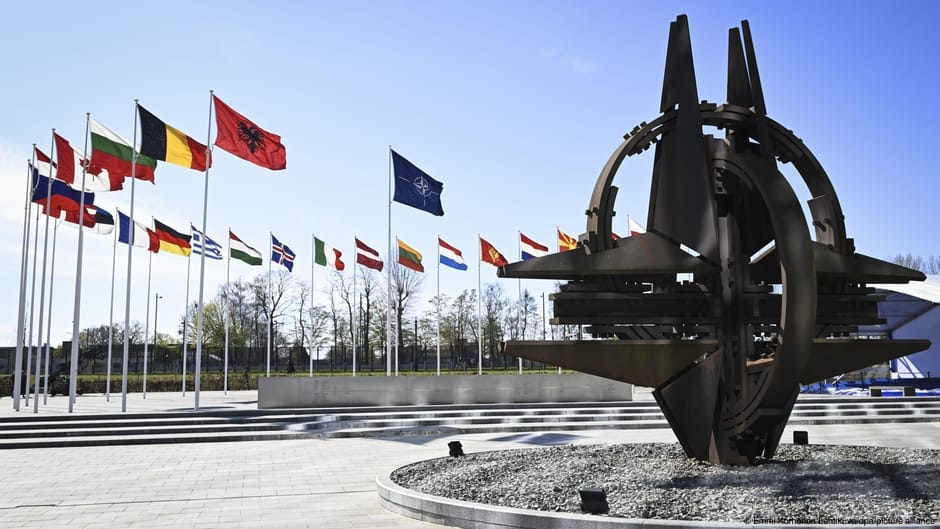
The prospect of providing Ukraine with international security guarantees modeled after NATO's Article 5 has sparked intense debate following the coalition summit in Berlin. President Volodymyr Zelenskyy raised concerns that Ukraine and the United States might not share the same understanding of this concept, particularly regarding the physical presence of foreign military bases.
Historical Origins and Flexibility of Article 5
According to U.S. special envoy Jared Kushner, Washington managed to convince Moscow to accept the concept of security guarantees based on Article 5 principles. However, the historical background of the North Atlantic Treaty shows that the text was deliberately drafted with a degree of ambiguity. In the late 1940s, European allies wanted automatic U.S. military intervention, whereas Washington avoided rigid commitments regarding specific forms of assistance.
Under the alliance's guidelines, an armed attack on one member is considered an attack on all, yet each ally independently determines the necessary response. Furthermore, Article 5 can be invoked not only during traditional invasions but also in response to severe hybrid threats or massive cyberattacks, as demonstrated following the September 11 attacks.
Practical Implications for Local Communities
For residents of Kilia and communities across Ukraine, discussions on international security frameworks carry profound practical significance, as a durable peace depends on reliable defense architectures. People across the country are closely monitoring diplomatic efforts, hoping for concrete enforcement mechanisms rather than vague assurances. Understanding the actual mechanics of collective security helps citizens realistically assess foreign support and prepare for the long-term stabilization of the nation.
Read next
 👥Society
Global trend of 'fake weddings' without official registration is gaining popularity
A growing trend of hosting full-scale wedding ceremonies without legal marriage registration is spreading across Germany and other countries, serving as both entertainmen…
 👥Society
World-class service: German blogger impressed by Ukrainian supermarkets
Well-known German-speaking blogger Ukrainiko shared his impressions of an unusual Lviv supermarket designed in a unique IT style.
 🏙️City
Where Kilia residents can apply for assistance if housing is damaged by attacks
Following enemy UAV attacks in the Kilia community, residents of damaged homes can apply for municipal aid and state compensation. Local authorities have published a clea…
 ⚽Sport
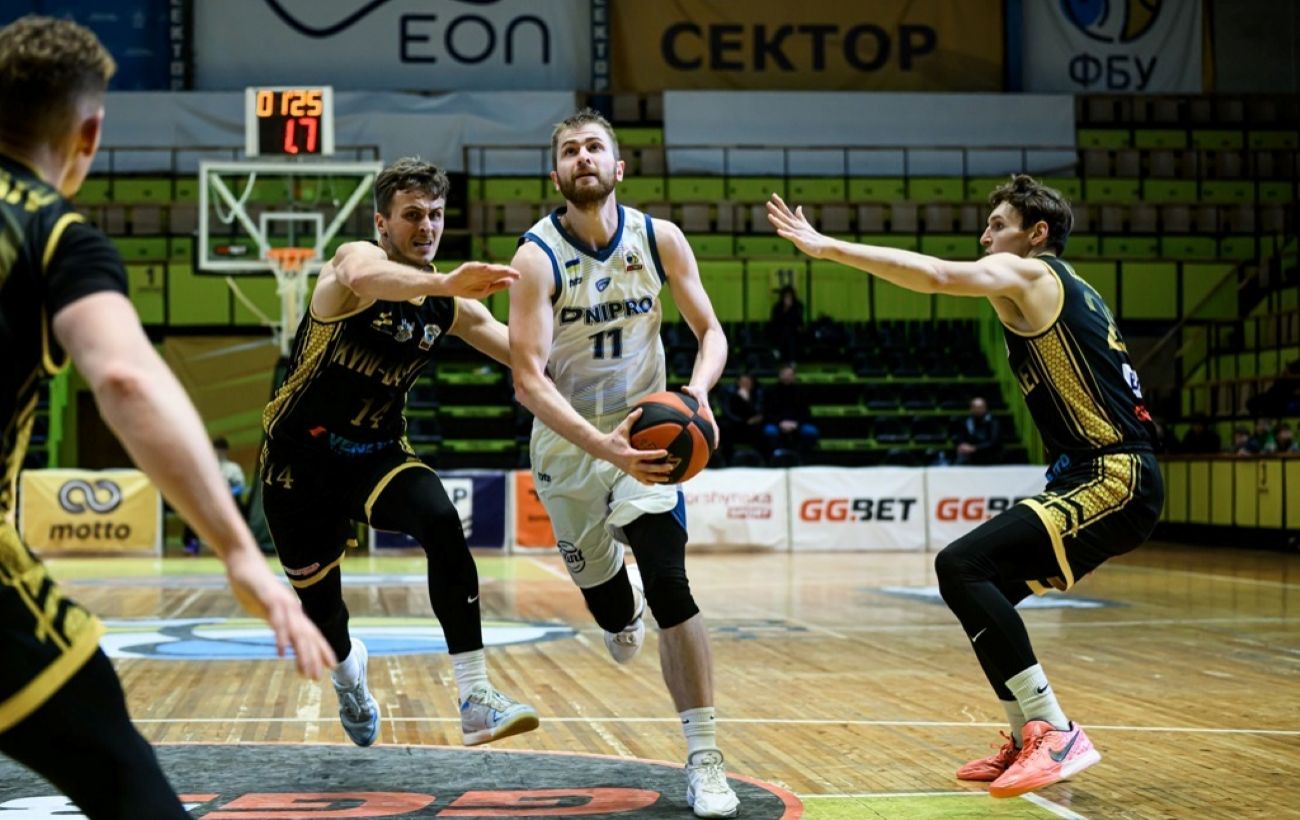
Dramatic Matches of the Ukrainian Basketball Superleague: Tournament Review
The regular championship of the Ukrainian Basketball Superleague featured intense matchups, highlighted by dramatic comebacks and overtime battles.
 👥Society
Slovak Foreign Minister's Remarks on 1968 Soviet Invasion Spark Historical Debate
Slovakia's Foreign Minister Juraj Blanár claimed that Ukrainians were behind the 1968 suppression of the Prague Spring, drawing criticism from opposition leaders.
 🛡️Security
Poland and Lithuania report Russian disinformation regarding Kaliningrad region claims
Polish and Lithuanian authorities have flagged a wave of Russian fake news alleging a Ukrainian attack on the Kaliningrad region involving NATO allies.