Strengthening Cooperation Among Authoritarian Regimes: An Analysis of New Global Threats
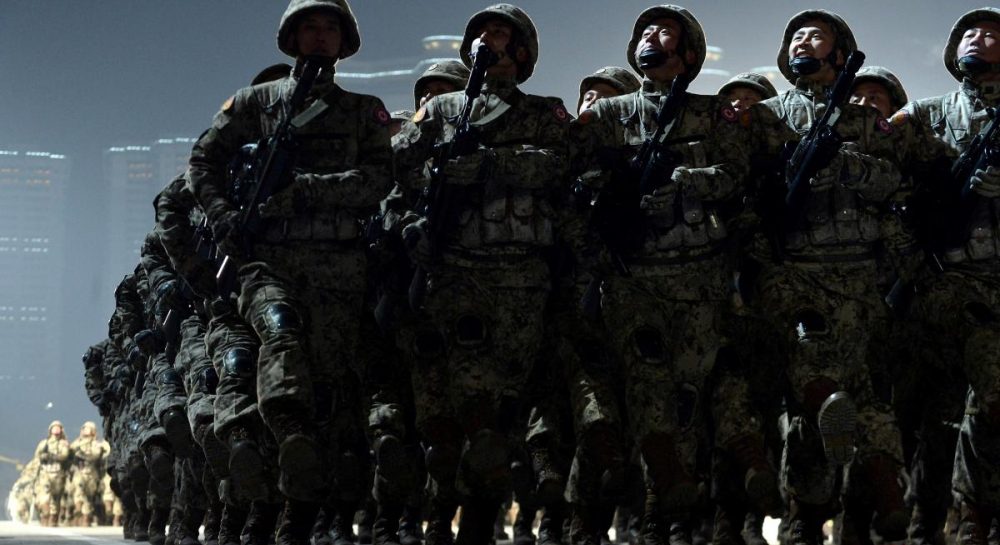
The Economist reports on the formation of an informal alliance between Russia, China, Iran, and North Korea, which is shifting the global balance of power.
 🏛️Politics
Photo: UNIAN
Key points
- Formation of an informal alliance between Russia, China, Iran, and North Korea
- Over 600 documented cases of security cooperation since 2019
- Lack of unified command despite high levels of coordination
A New Geopolitical Reality
International analysts are observing an unprecedented increase in interaction between four authoritarian states: Russia, China, Iran, and North Korea. Research indicates that since 2019, there have been over 600 instances of security cooperation, with the intensity of technology and military expertise exchanges rising significantly following the start of Russia's full-scale invasion of Ukraine.
Characteristics of the Informal Alliance
Unlike NATO, this alliance lacks a unified command structure or legal obligations for mutual defense. Experts point out that the interests of the bloc's members sometimes conflict, particularly regarding Middle East stability and energy policy. However, even without formal agreements, the mutual support provided by these nations makes it increasingly difficult for the West to contain their aggressive policies.
Parallel to these developments, the United States is seeing shifts in its approach to international engagement. The Department of Defense is implementing new restrictions on informal contacts, while President Donald Trump emphasizes the importance of personal diplomatic relationships with the leaders of China and Russia as a tool for influence.
Source UNIAN — unian.ua/world/rosiya-knr-iran-ta-pivnichna-koreya-stvorili-neforma… ↗
Read next
 🏙️City
Energy Security in Kiliia: Situation in Odesa Region Following Attacks
President Volodymyr Zelensky reported on enemy attempts to cut off the Odesa region from power sources, directly impacting stability in local communities.
 🇺🇦Ukraine
Jared Kushner Outlines Conditions for Providing Ukraine with NATO-Style Security Guarantees
Donald Trump's special envoy Jared Kushner has suggested that the US could provide Ukraine with security guarantees similar to NATO's Article 5, provided a robust Europea…
 🎭Culture & Sport
National Guard soldier joins 'The Voice of Ukraine' season 14
National Guard member Taras Redziy successfully passed the blind auditions, joining Natalia Mohylevska's team.
 🩺Health
The Secret to Canned Sardine Nutrition: Why You Should Keep the Bones
Nutritionists explain that the majority of calcium in canned sardines is found in the small bones that are often discarded.
 💡Tech
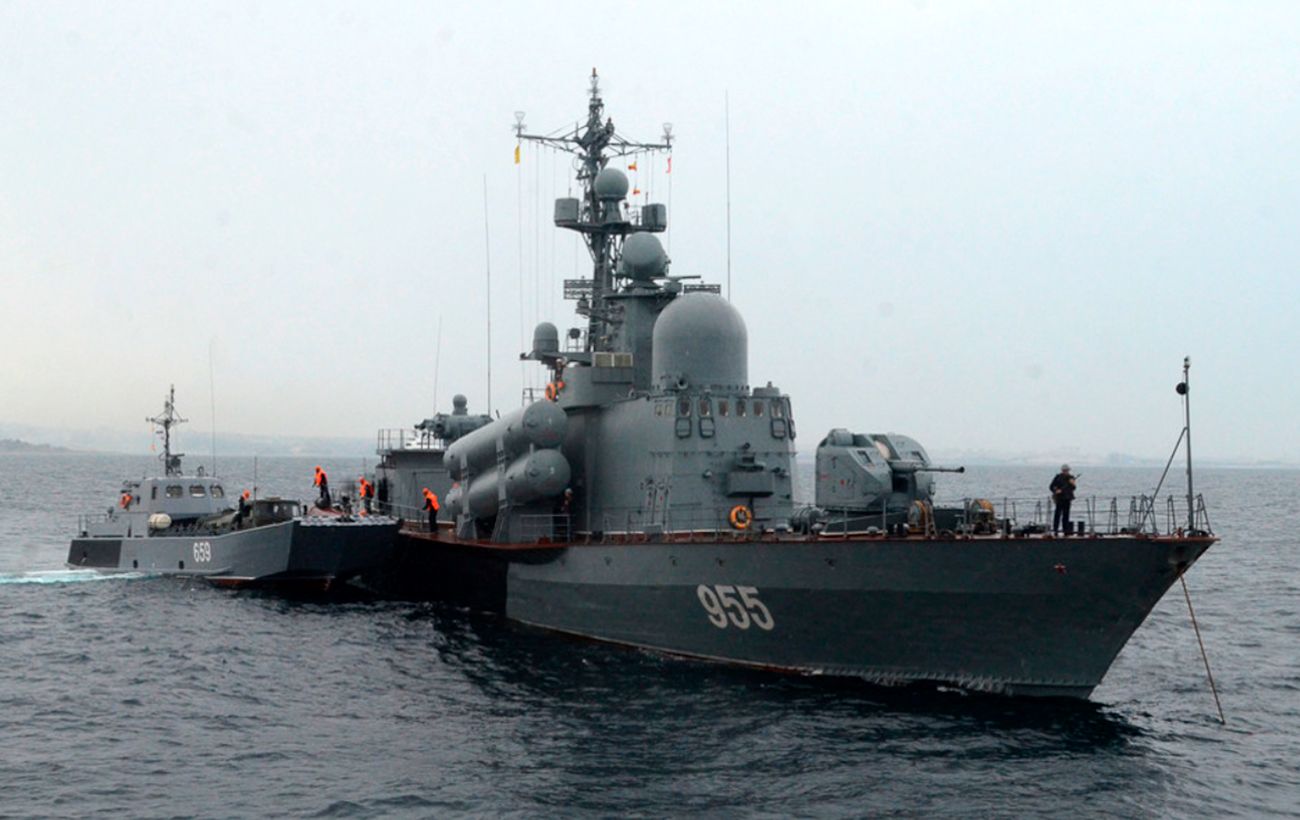
Russian corvette 'Mercury' damaged by sea drone attack in Libya
A Russian corvette, the Mercury, was severely damaged in a sea drone attack at the Benghazi naval base in Libya. International sources suggest potential involvement of Uk…
 🛡️Security
AFU thwart encirclement plan in Kharkiv region and eliminate enemy salient
Ukrainian forces conducted a successful counterattack in the north of the Kharkiv region, liberating 15 settlements and neutralizing the threat of encirclement.