Parliamentary Transparency in Wartime: What the Verkhovna Rada Still Conceals
Despite the return of broadcasts and open committees, the work of the Verkhovna Rada remains partially non-public due to closed meetings of the Conciliation Council, amendments from the floor, and a lack of business trip reports.
 💼Economy
Photo: Ukrainska Pravda
Key points
- Plenary sessions and parliamentary committees have become more accessible to citizens.
- Official MP profiles still lack essential data on business trips.
- The practice of submitting amendments from the floor creates risks of flawed legislation.
- The Conciliation Council remains a closed platform for key decision-making.
Progress Exists, but Transparency Remains Selective
The Global Parliamentary Openness Week has provided another opportunity to assess the accountability of the Ukrainian legislative branch. Over the years of the full-scale invasion, the Verkhovna Rada has indeed taken steps toward society: live broadcasts of plenary sessions have resumed, committees have become public, and official profiles of MPs now feature detailed information about their assistants and public reception offices. At the same time, experts and civil society emphasize that this is not yet enough for comprehensive democratic oversight.
Key Blind Spots of the Ukrainian Parliament
Despite positive changes, many crucial processes continue to take place away from the public eye. Specifically, MPs' open profiles still lack data on official foreign business trips, which creates room for manipulation and groundless accusations. Furthermore, the problem of decision-making at the Conciliation Council without broadcasting remains acute, alongside the practice of introducing amendments from the floor without prior publication of draft law texts.
Civil society insists on a straightforward and realistic list of changes: restoring the mandatory publication of meeting agendas, banning votes on unverified amendments, and ensuring full transparency regarding the costs and outcomes of MPs' travel. Institutional openness during wartime is not only a matter of trust but also a safeguard against corruption risks and legislative errors.
Source Ukrainska Pravda — pravda.com.ua/columns/2026/11/20/8063630/ ↗
Read next
 🎓Education
Famous Ukrainian actor speaks out about low salary at state theatre
Actor Roman Yasinovskyi, known for his roles in 'Cyborgs' and 'Catch Kaidash', shared his financial struggles and working with the lowest category at the Ivan Franko Nati…
 🧠AI Analysis
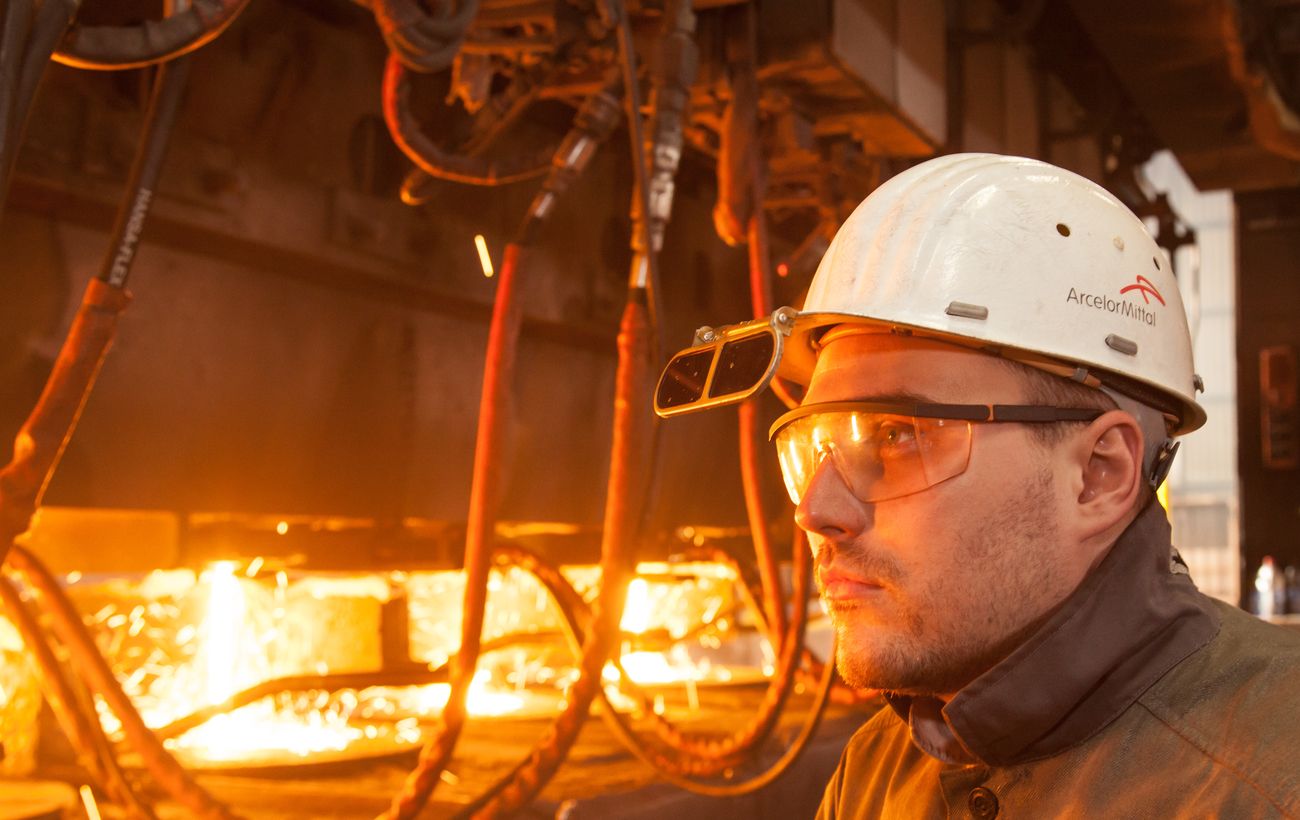
Cold Standby and Tax Pressure: How Ukraine Can Support ArcelorMittal Kryvyi Rih During Shutdown
Ukraine's largest steel plant has halted operations due to security threats but faces ongoing tax obligations and wage expenses. Experts call for targeted state intervent…
 👥Society
What Weather to Expect in December 2026: Meteorologists' Forecasts and Traditional Signs
Climate experts predict a relatively mild start to the winter of 2026 in Ukraine, with average temperatures exceeding the norm.
 🎭Culture & Sport
The Smallest Owl in Ukraine Spotted in the Chornobyl Reserve
Experts at the Chornobyl Reserve have recorded the smallest owl species in Ukraine — the Eurasian pygmy owl. This northern bird has unique hunting habits and stores food …
 ⚽Sport
Technological Crisis of Russian Aviation: Why the Russian Federation Cannot Establish Serial Aircraft Production
The Russian military-industrial complex faces a deep crisis due to the loss of Soviet technologies and the inability to fully produce strategic aircraft.
 🚨Events
Three-vehicle traffic accident occurs on the Odesa — Reni highway
Near the village of Kyrnyčky in Izmail district, a collision involving three cars left two people injured.